
August 2026
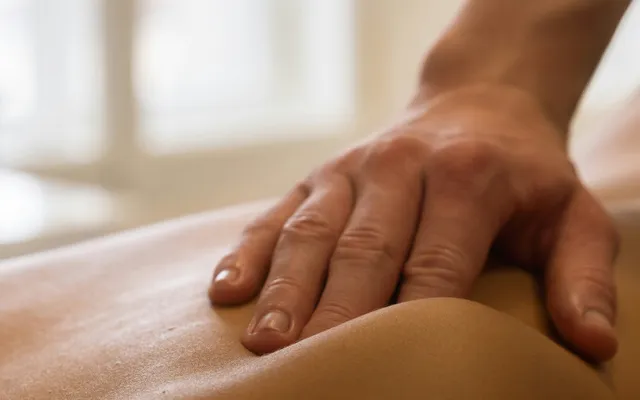
Sports massage vs. deep tissue massage — what's the difference?
People use these terms interchangeably — but they're not the same thing. Here's what sets sports massage apart and how to know which one you actually need.
Read more →ADVICE
If you spend your day at a desk and your neck and shoulders are constantly tight, there's a reason — and it's very fixable. Here's what's going on and what to do about it.
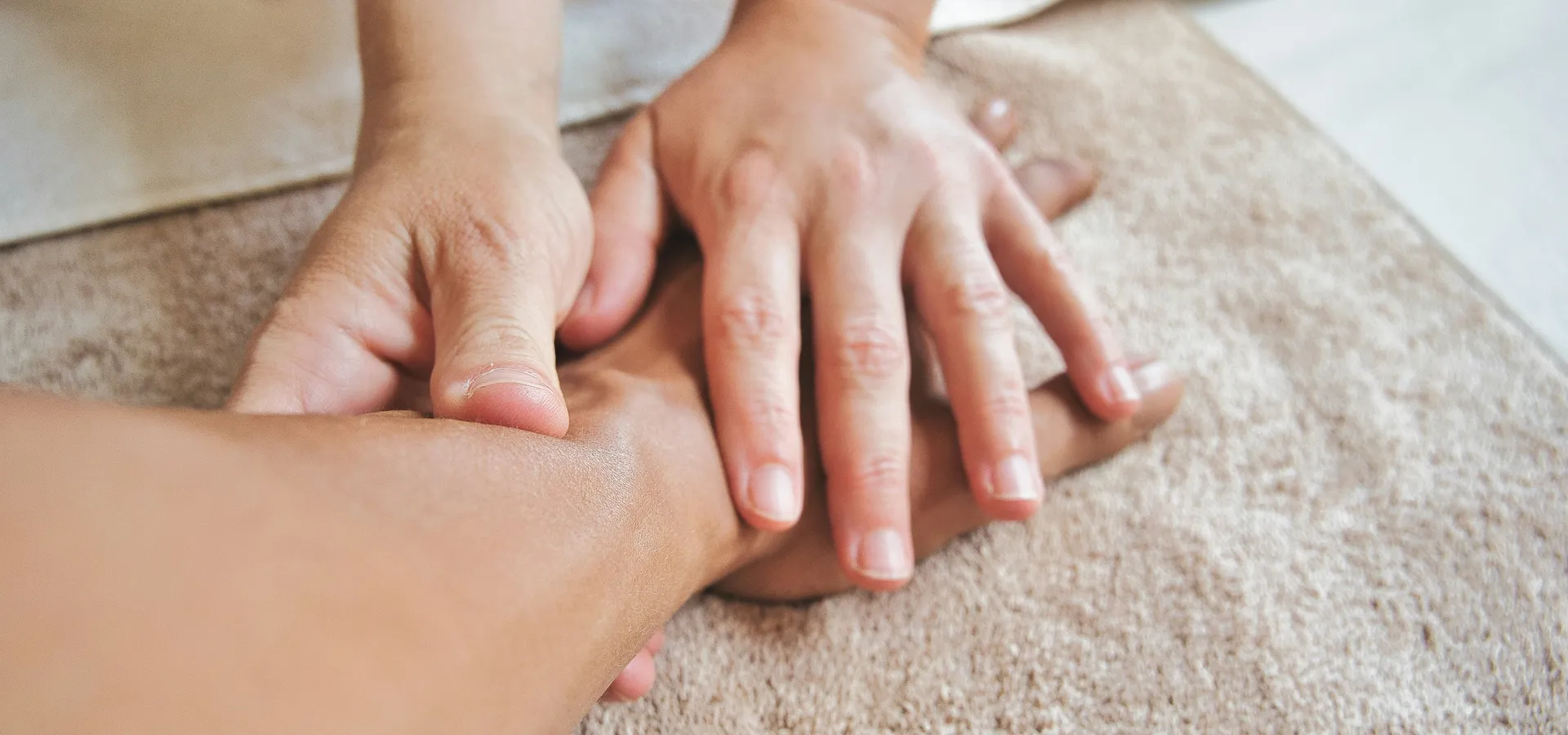
If you spend most of your working day at a desk, there’s a reasonable chance your neck, shoulders, or upper back are giving you grief. You’re not imagining it, and you’re not alone.
When you sit at a desk — especially looking at a screen — your head tends to drift forward. For every inch your head moves forward of its neutral position, the effective load on your neck roughly doubles. A head that weighs around 5kg can feel like 10, 15, even 20kg to the muscles holding it up.
Those muscles — running up the back of your neck and across your shoulders — are working constantly just to keep your head upright. Over the course of a working day, week, and year, they become chronically overloaded, shortened, and tight.
It rarely stays in one place. Tight upper traps pull on the neck, which can cause headaches. A forward head position affects how the shoulder blades sit, which changes how the shoulders move. Lower down, prolonged sitting shortens the hip flexors and can contribute to lower back pain.
It’s all connected — which is why treating just the bit that hurts often doesn’t last.
Targeted massage on the neck, upper back, and shoulders can release the chronic tension that’s built up, restore normal movement patterns, and give you some genuine relief. It won’t undo eight hours a day at a desk, but combined with a few simple habits it can make a significant difference.
Desk pain is incredibly common and very treatable. You don’t need to just put up with it.
MORE ADVICE
August 2026
People use these terms interchangeably — but they're not the same thing. Here's what sets sports massage apart and how to know which one you actually need.
Read more →
July 2026
Never had a sports massage before? Here's exactly what to expect — from the initial consultation through to how you'll feel afterwards.
Read more →